
Repair or Replace? A Practical Guide for Common Home Fixtures
Every homeowner faces it at some point. Something breaks — a faucet drips, a ceiling fan wobbles, a water heater starts making noise — and you’re stuck asking yourself: do I fix this or just replace it?
The honest answer is: it depends. The cost of the repair, the age of the fixture, and whether replacing it adds real value to your home all factor in. A $15 fix on a ten-year-old water heater might not be worth it. A $200 repair on a two-year-old dishwasher almost certainly is.
This guide isn’t here to push you toward either option. It’s here to help you think it through — fixture by fixture — so you can make a decision that makes sense for your budget and your home. If you’re not sure where a repair falls, that’s also a reasonable time to get a professional opinion before spending money in either direction.
Faucets
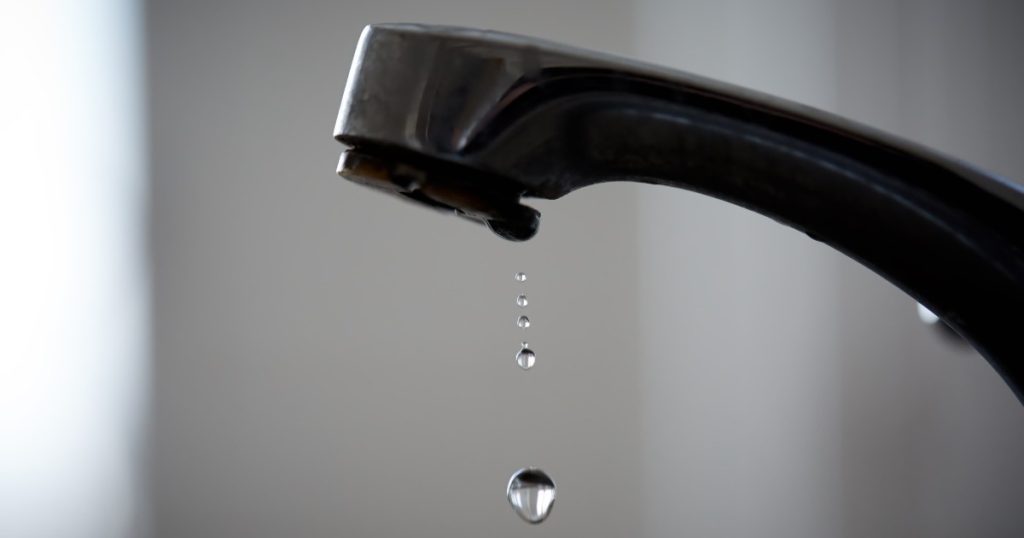
A dripping faucet isn’t just annoying — it adds up on your water bill. Most faucet problems come down to worn-out washers, O-rings, or cartridges. These are almost always repairable, even on mid-range fixtures.
When to repair:
When to replace:
Cost awareness: A cartridge or washer replacement typically costs $10–$30 in parts and an hour or two of labor. A basic replacement faucet runs $50–$300 depending on quality and style, plus installation.
Toilets
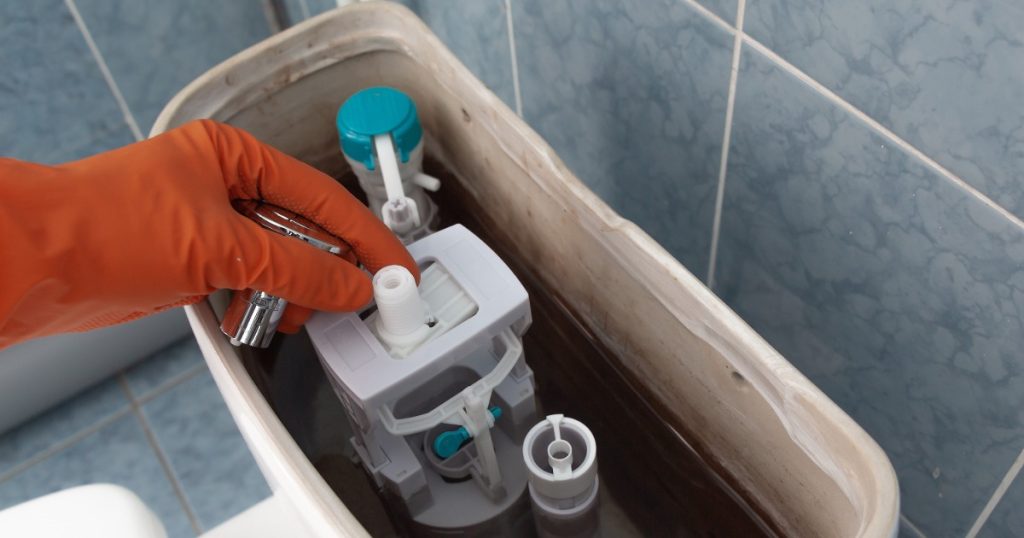
Toilets are built to last 20–30 years or more, so most toilet problems don’t require a full replacement. Running toilets, slow fills, and minor leaks at the base are usually fixable for very little money.
When to repair:
When to replace:
Cost awareness: Internal parts like flappers and fill valves cost $10–$50. A wax ring replacement is primarily a labor job. A new mid-range toilet runs $150–$500 installed.
Water Heaters
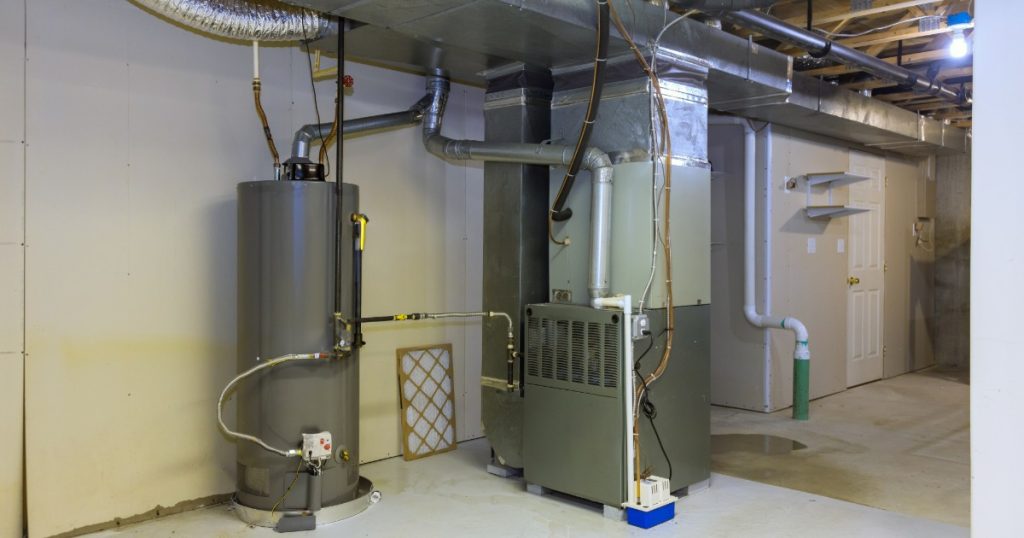
Water heaters typically last 8–12 years for tank models. When they start acting up, the age of the unit is usually the deciding factor more than the repair itself.
When to repair:
When to replace:
Cost awareness: Element or thermostat repairs run $150–$300 with labor. A standard replacement tank water heater installed typically runs $700–$1,500 depending on size and type. Tankless options cost more upfront but last longer.
Ceiling Fans
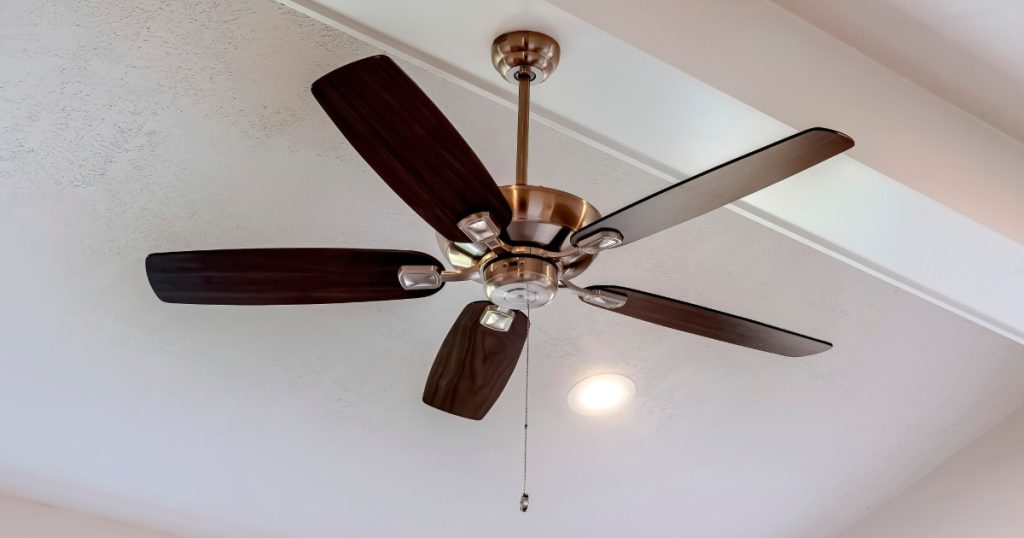
Ceiling fans have relatively few moving parts, which makes many common problems easy to fix. Wobbling, noise, and remote receiver failures are the most frequent complaints.
When to repair:
When to replace:
Cost awareness: Capacitors and pull chain switches are $10–$30 in parts. A mid-range replacement ceiling fan runs $80–$250 plus installation.
Garbage Disposals
Garbage disposals are one of the appliances where replacement is often more practical than repair. They’re not expensive, and the labor involved in repairing one is often close to what it costs to swap it out entirely.
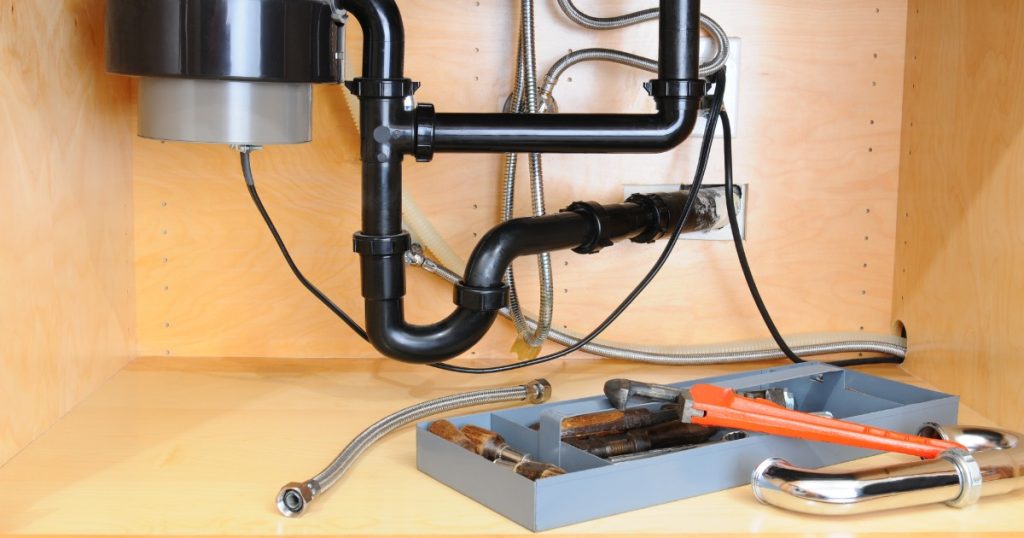
When to repair:
When to replace:
Cost awareness: A basic reset or unjamming is a quick fix. A replacement disposal runs $100–$300 for the unit, plus installation — often the smarter call on an older unit.
Doors and Locks
Doors and their hardware are a good example of where repairs almost always make more sense than full replacement — unless the door itself is damaged or severely outdated.
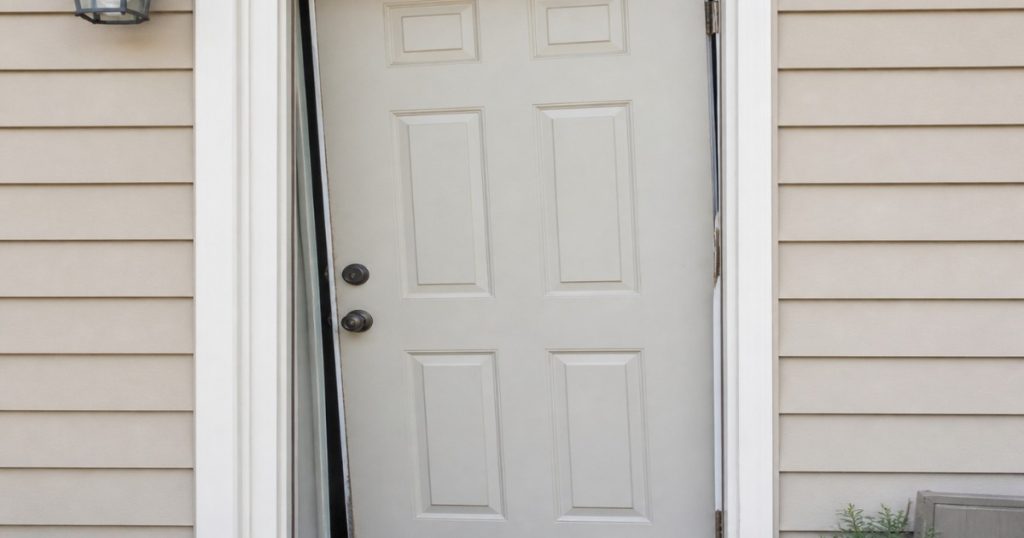
When to repair:
When to replace:
Cost awareness: Hinge adjustments and strike plate fixes are quick labor jobs. Weatherstripping materials run $15–$50. A new exterior door installed can range from $400–$1,500+ depending on the door type and any frame work needed.
Drywall
Drywall damage is almost always a repair situation rather than a replacement one. “Replacing” drywall just means patching or re-hanging a section, which is a standard repair job. The real question is how severe the damage is and whether something else is going on behind it.
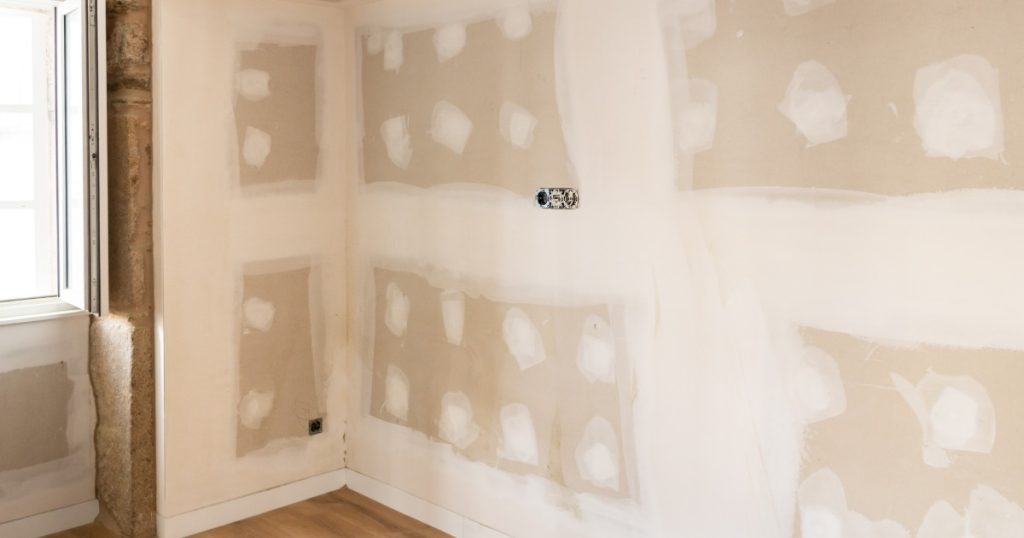
When it’s a straightforward repair
When it’s more than a drywall problem
Cost awareness: Small patching jobs are among the most affordable handyman tasks. Larger sections requiring cut-and-patch work take more time but are still far less than a full wall renovation.
Lighting Fixtures
Light fixtures are generally inexpensive to replace, which makes the repair-vs-replace question mostly about what’s actually wrong with them.
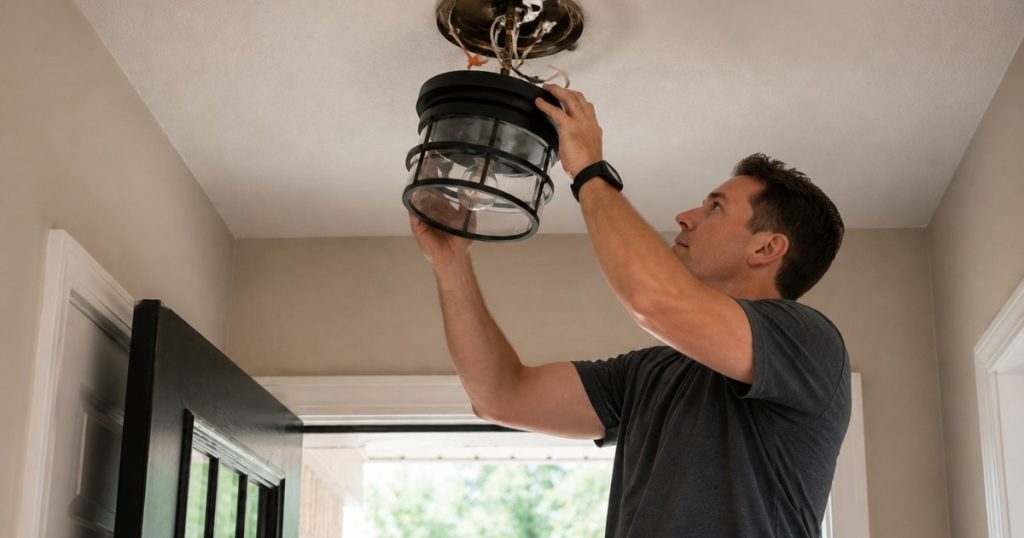
When it’s a straightforward repair
When it’s more than a drywall problem
Cost awareness: Replacement fixtures run anywhere from $20 for a basic utility light to several hundred for a chandelier. Installation labor is typically straightforward for standard ceiling boxes.
When to Call a Handyman vs. a Specialist Contractor
A handyman is the right call for the kind of home fixture repair and replacement work covered in this guide — faucet repairs, ceiling fan swaps, drywall patches, door adjustments, light fixture replacements, garbage disposal installs, and similar tasks.

A licensed specialist is the right call when the work involves:
If you’re not sure which category your project falls into, that’s a fair question to ask before committing to anything. A good handyman will tell you honestly if something is outside their scope.
Still Not Sure? Get a Professional Assessment First
Making the repair-or-replace call on your own works fine for small, clear-cut situations. But for anything that involves age, multiple failing components, or potential water or electrical damage, it’s worth having someone look at it before you spend money in the wrong direction.
At Hammer & Nails Handyman, we work with Pittsburgh-area homeowners on exactly this kind of practical repair and replacement work — faucets, fans, doors, drywall, fixtures, and more. We’ll give you a straight answer on whether something is worth fixing before any work starts.
If you’ve got a fixture that’s giving you trouble and you’re not sure which way to go, reach out. We’re happy to review the details and help you figure out the most practical next step.