
Why Baseboards and Trim Start Pulling Away From the Wall
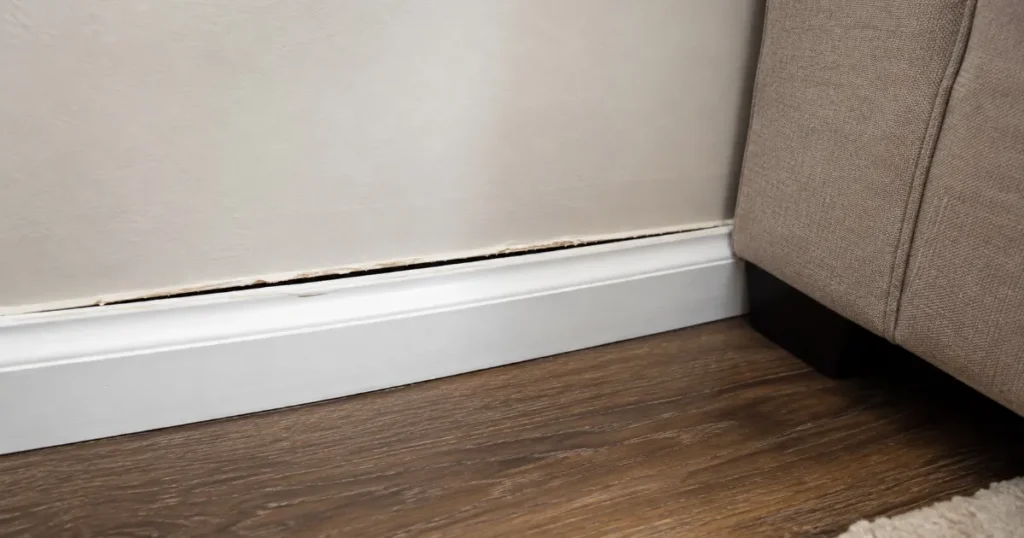
You walk past a wall you have seen a thousand times and notice something new. The baseboard has a gap behind it, or a piece of trim near a doorway is no longer sitting flush. It looks small, but it can leave you wondering what is going on behind the surface.
Trim pulling away from the wall is common in Pittsburgh homes, especially in older houses that have been through many seasons of temperature and humidity swings. Most of the time it points to a normal cause. Occasionally it points to something worth a closer look.
Here is what usually causes it, how to tell a cosmetic gap from a real problem, and when it makes sense to call a handyman.
Normal House Settling and Movement
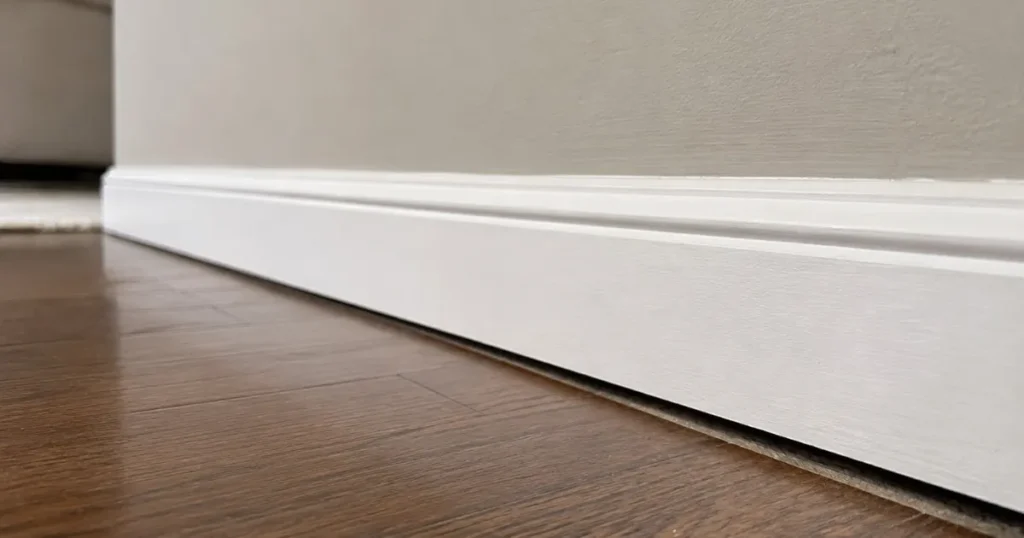
Houses move. Over years, the framing, floors, and walls shift slightly as the structure settles and as materials expand and contract. Trim is nailed to the wall and often sits against the floor, so when those surfaces move even a little, the trim can separate at the seams.
This is one of the most common reasons baseboards start to gap, and on its own it is usually cosmetic. You will often see it near corners, along long straight runs, or where the baseboard meets door casing.
A thin, stable gap that does not grow is typically nothing to worry about. It can be re-secured and re-caulked to look clean again.
Humidity and Seasonal Changes
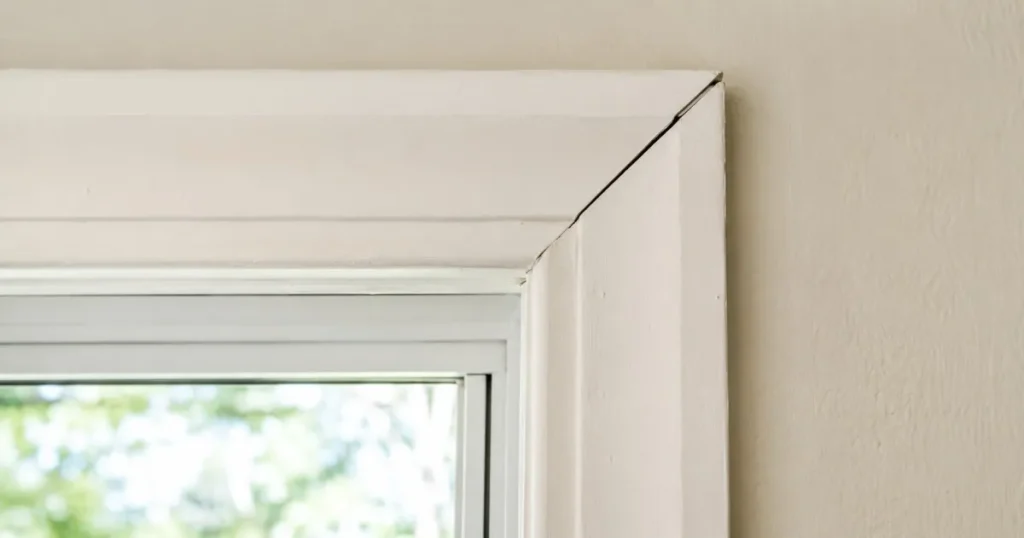
Wood trim reacts to moisture in the air. In humid months it takes on moisture and swells slightly. In dry winter months, when the heat is running, it releases that moisture and shrinks. That back-and-forth loosens caulk lines and can push or pull trim away from the wall over time.
Pittsburgh gives trim a real workout here, with humid summers and dry, heated winters. Homeowners often notice gaps opening up in winter and closing partway in summer.
If the movement follows the seasons and the trim itself is solid, this is normal wear. The fix is usually re-caulking and re-nailing rather than replacing anything.
Loose Nails, Failed Adhesive, and Age
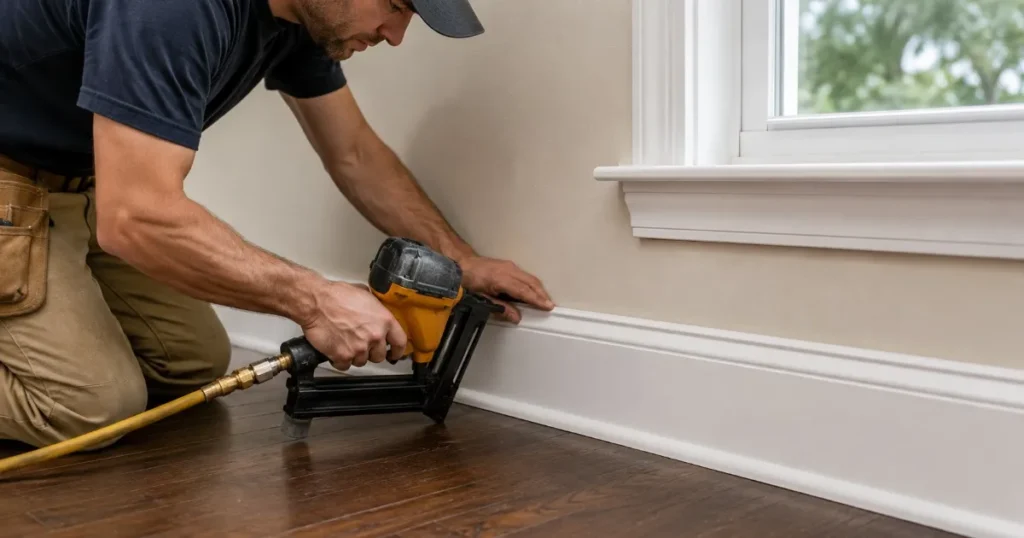
Trim is held in place with finish nails, and sometimes adhesive or caulk. Over the years, nails can loosen or back out slightly, and old caulk can dry out, crack, and lose its grip. Once that happens, even small amounts of everyday movement let the trim shift.
This is especially common in high-traffic areas, near doorways, and along baseboards that get bumped by furniture, vacuums, or foot traffic.
The good news is that this is a straightforward repair. Re-securing the trim, filling gaps, and applying fresh caulk usually brings it back to looking flush and finished.
When a Gap Points to a Moisture or Structural Issue
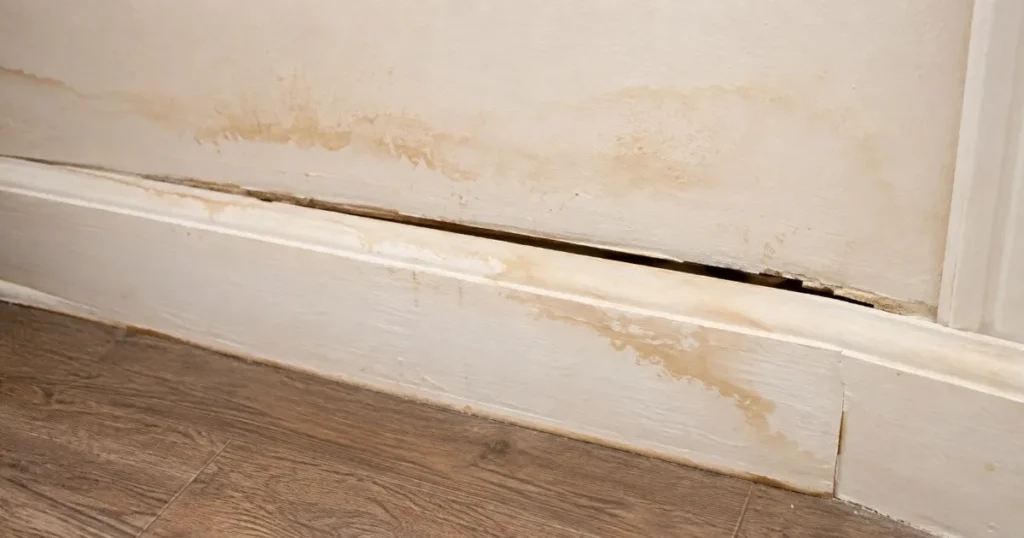
Most trim gaps are minor. A few are worth a closer look. Pay attention if you also notice any of these signs:
- The wall or baseboard feels soft, damp, or looks stained
- The gap keeps getting wider over time
- You see it alongside cracks in the drywall, sticking doors, or uneven floors
- There is a musty smell in that area
Those signs can point to water intrusion behind the wall or ongoing structural movement rather than simple settling. In cases like that, caulking over the gap only hides the problem. It is better to find out what is causing it first.
If you are seeing any of these alongside the gap, it is worth having someone take a look before it grows.
When to Call Hammer and Nails Handyman
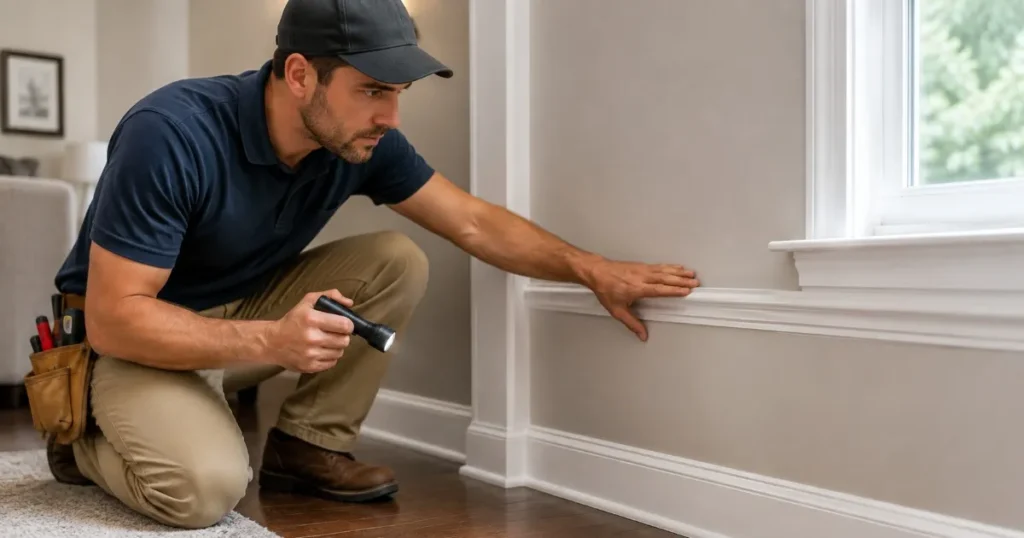
A single clean gap that stays put is often a quick fix, and plenty of homeowners handle re-caulking on their own. If the trim is loose in several spots, the gaps keep growing, or you notice moisture or other warning signs, it helps to have a professional look at it and confirm what is actually going on.
Our team handles interior trim and baseboard repairs across the Pittsburgh area, along with general home repairs, carpentry, and the kind of small fixes that keep a home looking cared for. We review the details first, then walk you through the next steps.
If your baseboards or trim are pulling away and you would rather have it done right, tell us about your project. Call your local Pittsburgh team at 412-204-6888 or reach out through hnhandy.com.