
How to Spot Water Damage Around Your Home
Water damage often starts small. A little discoloration, a soft spot, or a section of peeling paint may not seem like much at first, but these issues can point to moisture getting where it should not.
In Pittsburgh, changing seasons, rain, humidity, and winter weather can all contribute to moisture problems around the home. Knowing what to look for can help homeowners catch issues earlier, before repairs become more involved.
Here are some common signs of water damage around your home.
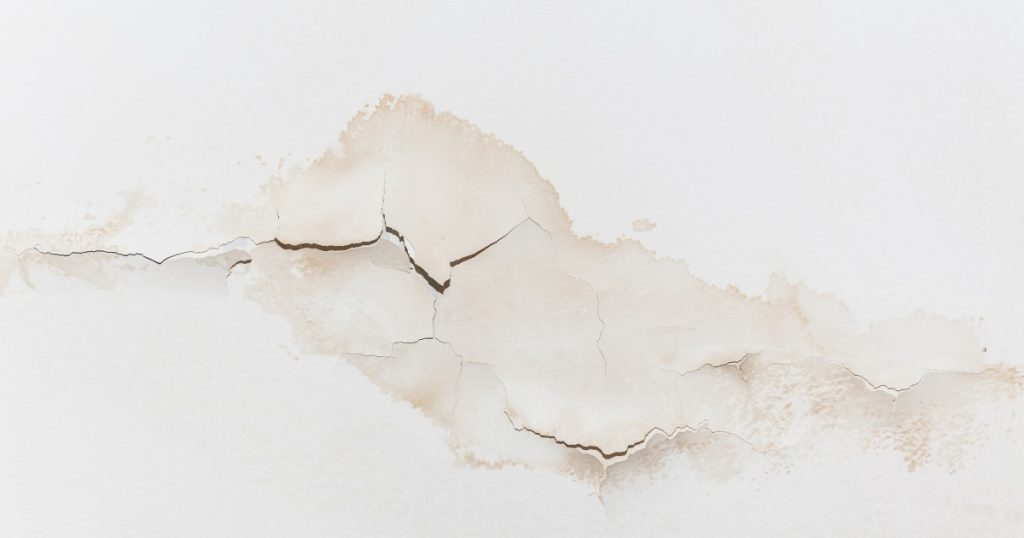
Peeling Paint or Bubbling Surfaces
Paint and finished surfaces often react quickly when moisture gets underneath them. Bubbling, peeling, or blistering paint can be one of the first visible signs that water is getting into the material below.
This can show up on walls, ceilings, trim, or exterior surfaces. It does not always mean major damage is already present, but it usually means the area needs attention.
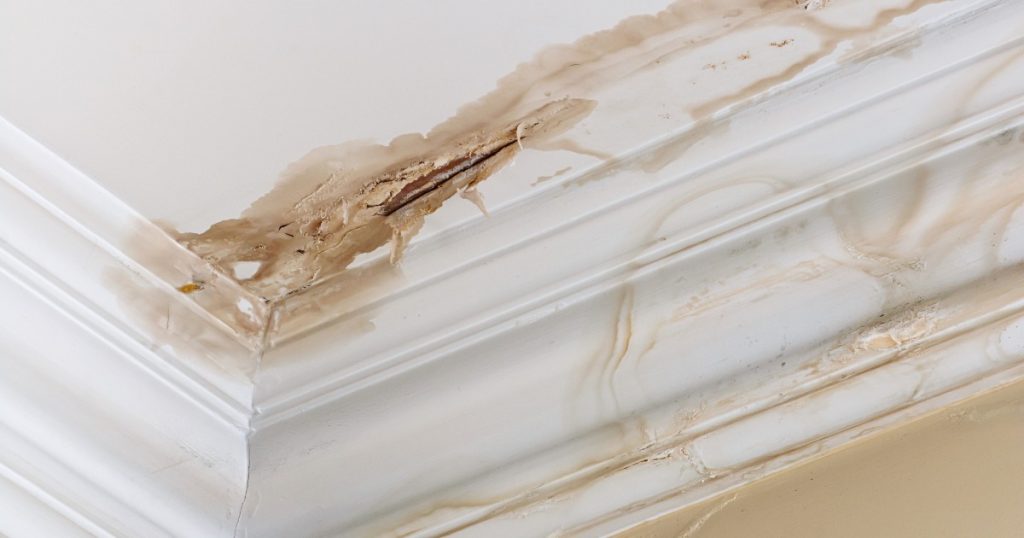
Stains or Discoloration
Water stains are one of the more obvious signs of moisture trouble. You may notice yellow, brown, or darker patches on ceilings, walls, trim, or around windows and doors.
These stains often suggest repeated moisture exposure, even if the area feels dry at the moment. Paying attention to where staining appears can help narrow down where the water may be coming from.
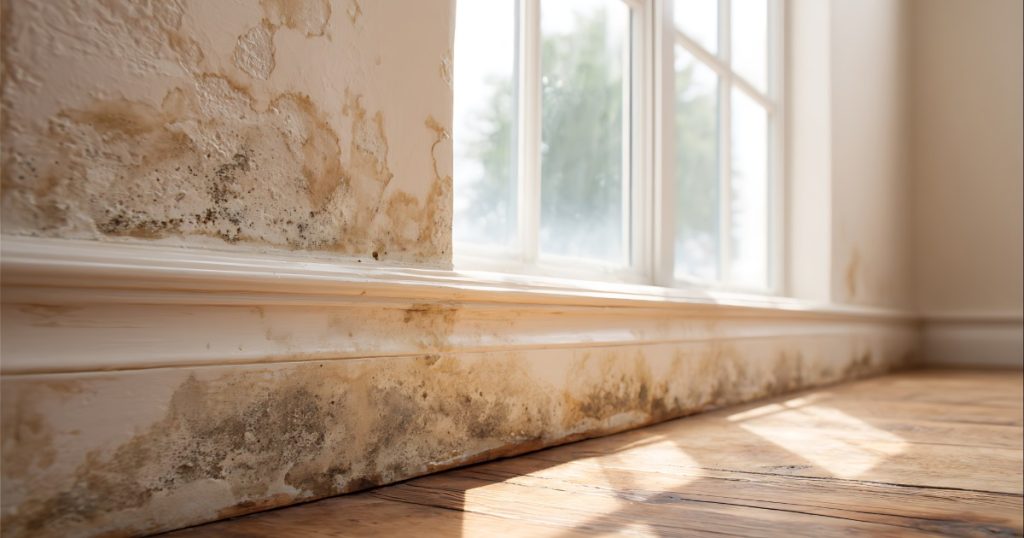
Soft or Swollen Materials
Wood, drywall, and other materials can begin to swell or soften when they absorb moisture over time. This might show up as trim that feels spongy, drywall that dents more easily than expected, or surfaces that look uneven.
These changes are often easier to notice near windows, doors, sinks, tubs, and exterior edges where water tends to collect or enter.
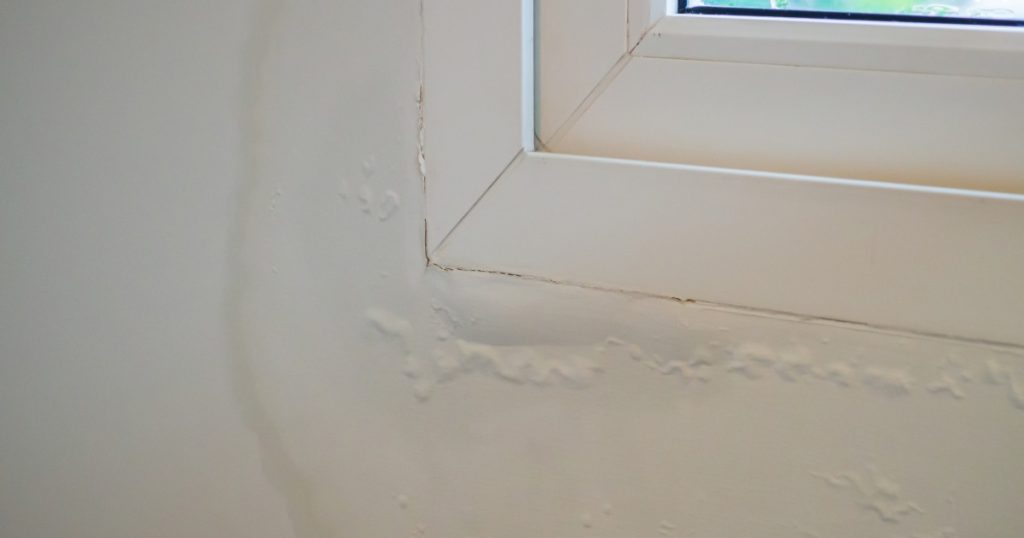
Cracked or Missing Caulk
Caulk helps seal joints and gaps around areas where moisture is most likely to get in. Over time, it can crack, pull away, or wear down completely.
When that happens, water has a much easier path behind trim, around fixtures, or into wall cavities. This is a small detail that can lead to larger problems if it is ignored.
Musty Smells or Damp Areas
Sometimes water damage is not immediately visible, but you can still notice that something feels off. Musty odors, damp air, or surfaces that stay wet longer than they should can all point to a moisture issue.
These signs are common in basements, bathrooms, laundry areas, and other spaces where ventilation or water exposure is a factor.
Warping, Separation, or Movement
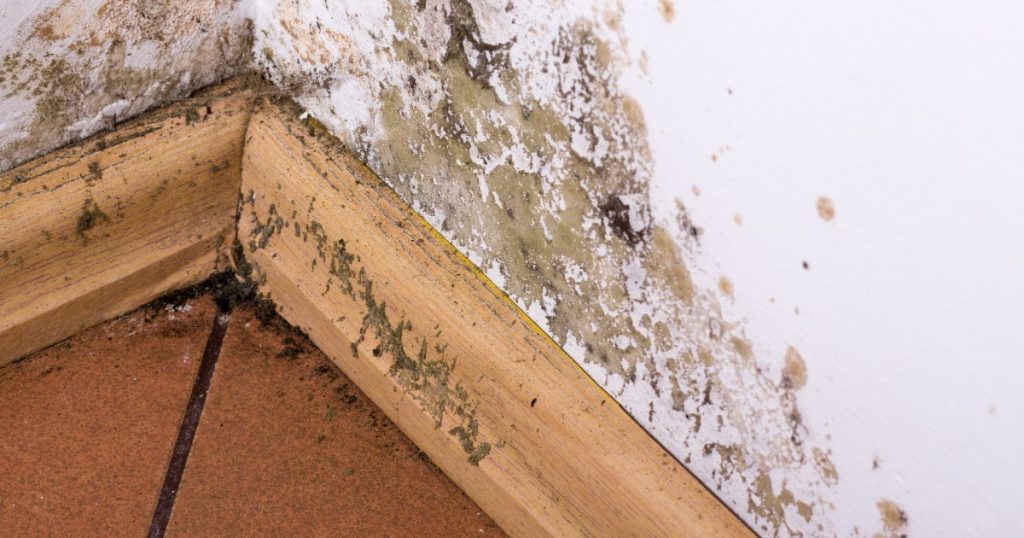
Moisture can cause materials to shift over time. Baseboards may separate from the wall, trim joints may open up, and flooring may begin to lift or warp.
When materials stop sitting flat or tight the way they should, moisture may be part of the reason.
Where Water Damage Often Shows Up
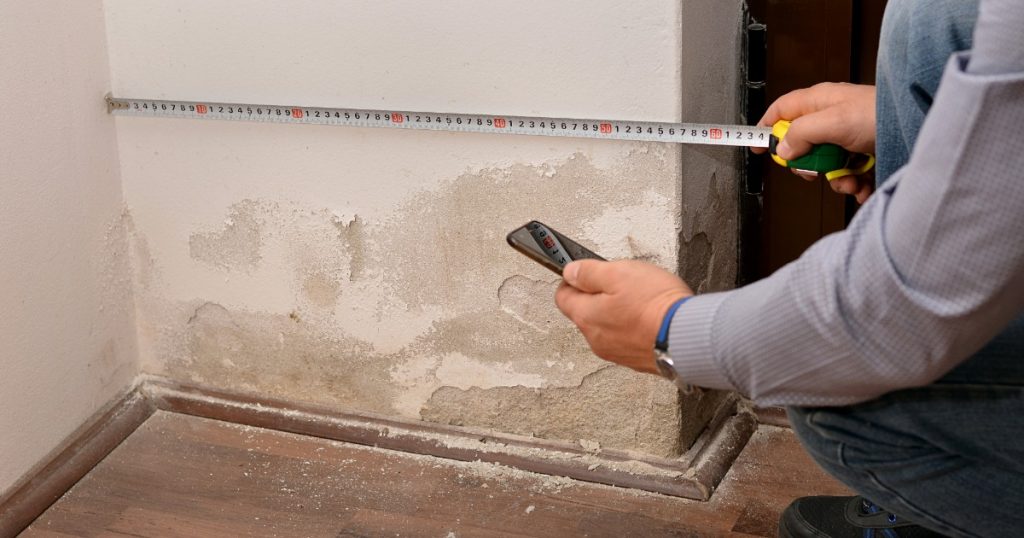
Water damage can show up in a lot of places, but some areas are more likely than others. Windows and doors, bathrooms, kitchens, ceilings, basements, exterior trim, siding, and areas near plumbing fixtures are all worth checking more closely.
The sooner these areas are looked at, the easier it usually is to keep a small problem from spreading.
Schedule Home Repairs Before Water Damage Spreads
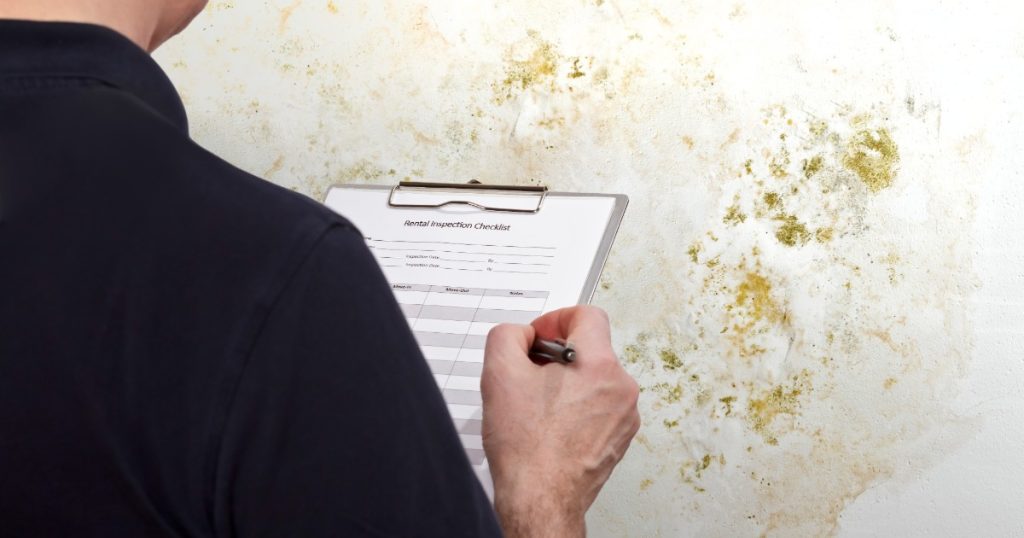
If you’ve noticed signs of water damage around your home, it can help to have a professional take a closer look before the issue gets worse.
Hammer & Nails Handyman provides repair and maintenance services throughout the Pittsburgh area, helping homeowners address moisture-related issues before they lead to larger repairs.