
What to Check Around Your Home After a Heavy Spring Storm
Pittsburgh springs don’t pull punches. High winds, heavy rain, and the occasional hail or late-season ice storm can leave your home looking fine on the surface while something quietly leaks, cracks, or shifts underneath.
The good news: most storm damage catches itself early if you know what to look for. A thorough home inspection after a storm — done carefully and systematically — can mean the difference between a $200 fix and a $2,000 one.
This guide walks you through what to check, what to prioritize, and when to call someone in. Whether you’ve owned your home for six months or thirty years, this checklist gives you a reliable place to start.
Before you go outside: If there are downed power lines near your property, do not approach them. Call 911 and stay inside until the utility company clears the area. Wait until the storm has fully passed and it’s safe to walk around. Wear solid footwear — wet debris and soft ground are hazards on their own.
Roof and Gutters
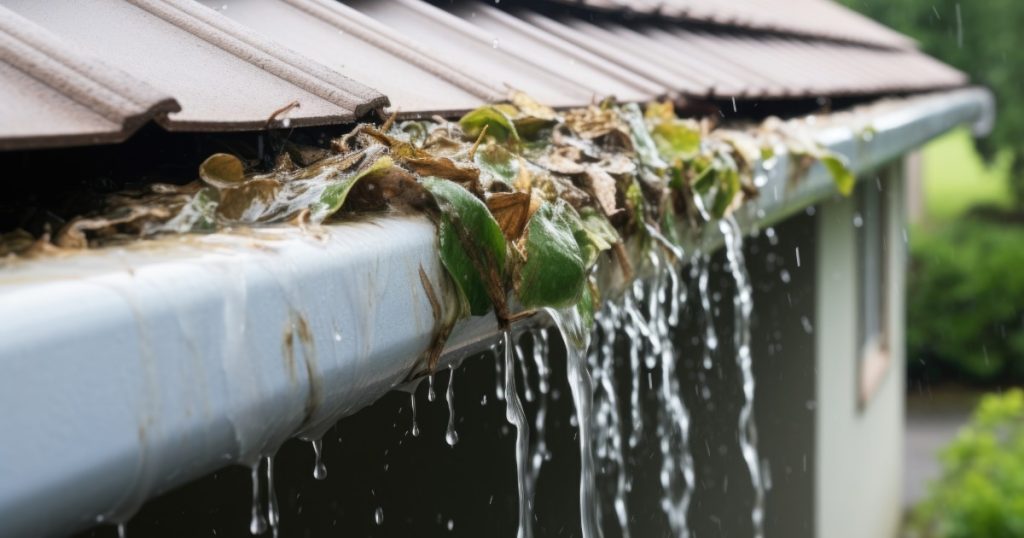
What to Look For
You don’t need to get on the roof to do a first assessment. Grab a pair of binoculars or use your phone’s camera zoom from the ground or an upstairs window.
DIY vs. Professional
Manageable yourself: Clearing gutters of leaves and debris, reattaching a downspout extension, flushing downspouts with a hose.
Call a professional: Any missing shingles, flashing damage around chimneys or vents, sagging areas, or anything that requires getting on the roof. A handyman can handle minor roofing repairs like flashing and isolated shingle replacement. Full roof replacements require a licensed roofer.
Immediate Steps
If you notice water is actively entering through the roofline or attic, place buckets, lay down plastic sheeting, and contact a professional the same day. Don’t wait on active leaks.
Siding and Exterior Walls
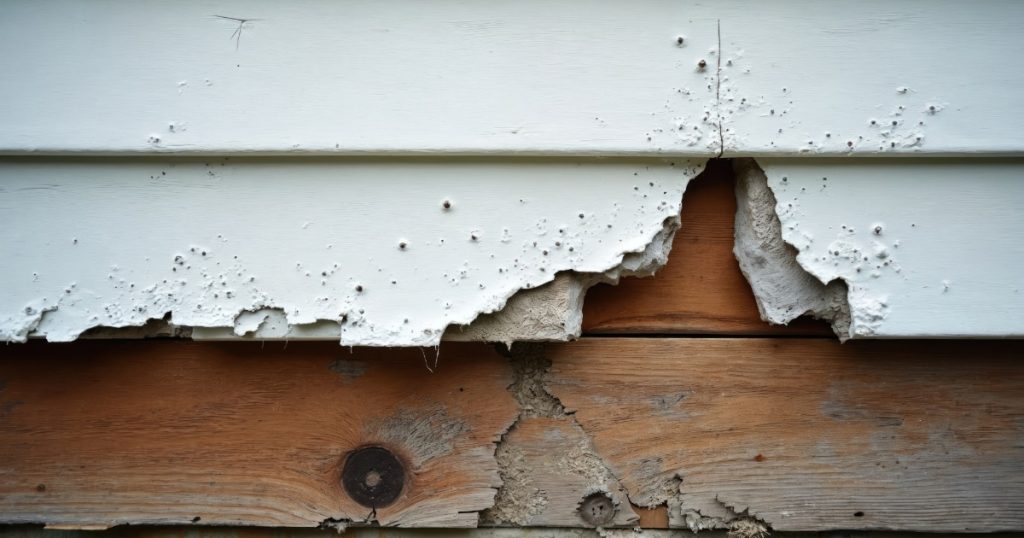
What to Look For
Walk the full perimeter of your home slowly. Look for:
DIY vs. Professional
Manageable yourself: Recaulking small gaps around trim or windows, snapping a displaced vinyl panel back into its channel.
Call a professional: Multiple displaced or cracked panels, damage to underlying sheathing, or any area where water is visibly getting behind the siding. Left alone, this becomes a moisture and mold problem.
Windows and Doors
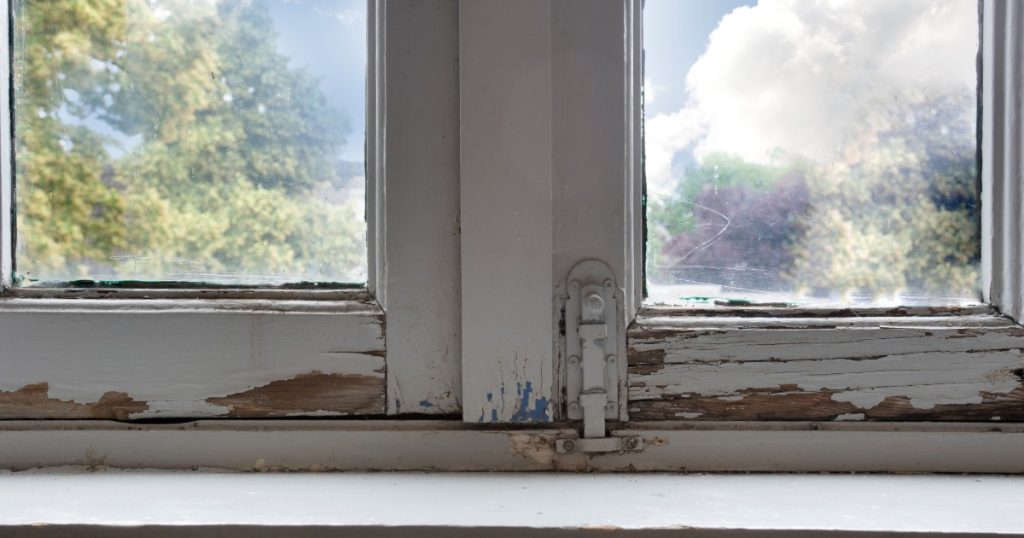
What to Look For
DIY vs. Professional
Manageable yourself: Replacing a window screen, recaulking a frame, adjusting a door that’s slightly out of alignment.
Call a professional: Broken glass, a frame that’s visibly warped or racked, or any window where you feel air or see water getting through the frame itself (not just condensation).
Basement and Crawl Space
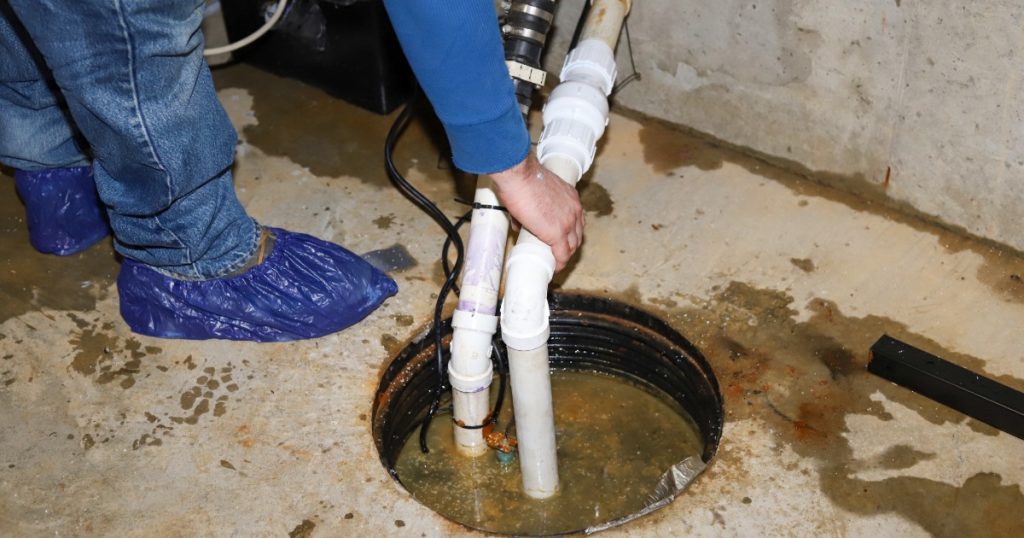
What to Look For
DIY vs. Professional
Manageable yourself: Running a dehumidifier, checking and clearing the sump pump discharge line, confirming the pump is cycling properly.
Call a professional: Any active seepage through foundation walls, cracks in the foundation, recurring water intrusion that wasn’t present before, or a sump pump that ran but couldn’t keep up. These need a waterproofing or foundation specialist, not just a cleanup.
Garage Doors
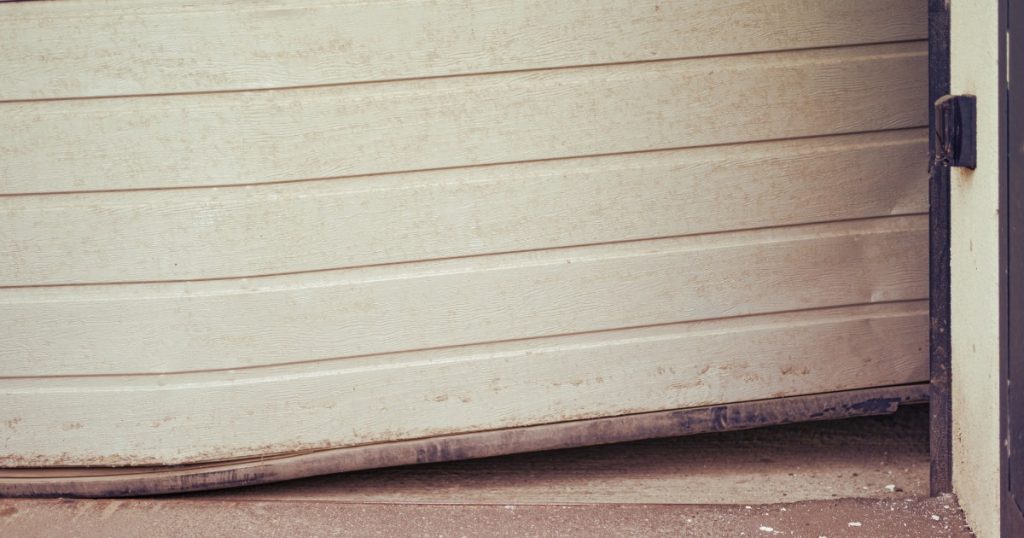
What to Look For
DIY vs. Professional
Manageable yourself: Lubricating tracks and hardware, replacing a worn bottom seal.
Call a professional: Bent panels, damaged tracks, or any door that came off the track. Do not attempt to realign a garage door spring or cable yourself — these are under significant tension and are genuinely dangerous to work on.
Outdoor Structures: Decks, Fences, and Sheds
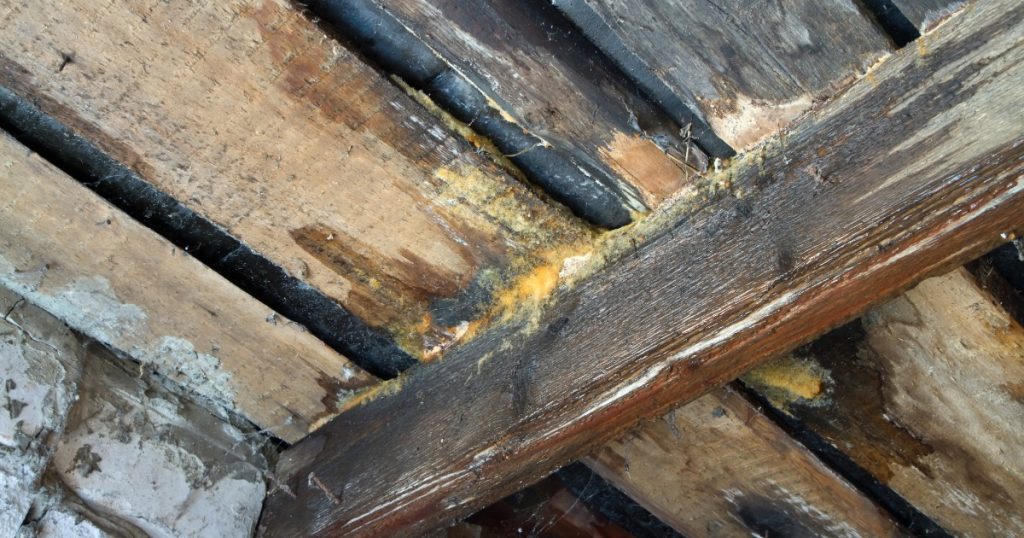
What to Look For
Decks:
Fences:
Sheds:
DIY vs. Professional
Manageable yourself: Resetting a leaning fence post in dry conditions, replacing individual deck boards, reattaching a loose railing spindle.
Call a professional: Any railing that feels structurally unsafe, a ledger board that’s separating from the house, or deck posts showing significant rot. These are load-bearing elements.
HVAC System
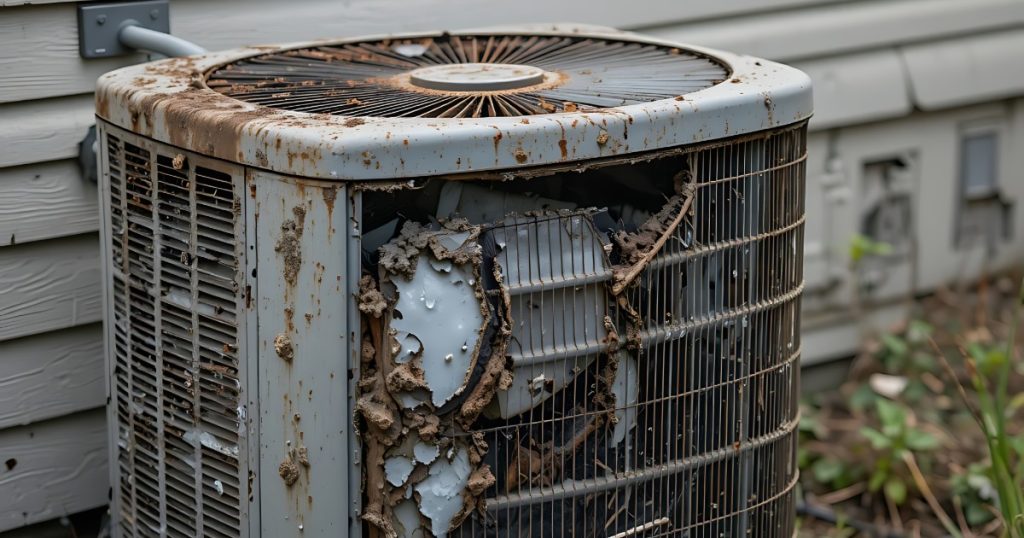
What to Look For:
Outdoor AC or heat pump unit:
Exterior vents (dryer, bathroom exhaust, range hood):
HVAC inside:
DIY vs. Professional
Manageable yourself: Clearing debris away from the condenser unit (power off first), checking and clearing exterior vent covers, resetting a tripped circuit breaker for the HVAC unit.
Call a professional: Bent condenser fins (a technician can re-comb these), a unit that’s not cooling or heating after the storm, any concern about refrigerant, or an HVAC system that won’t come on at all after a power event.
Downed Trees and Debris Affecting the Structure
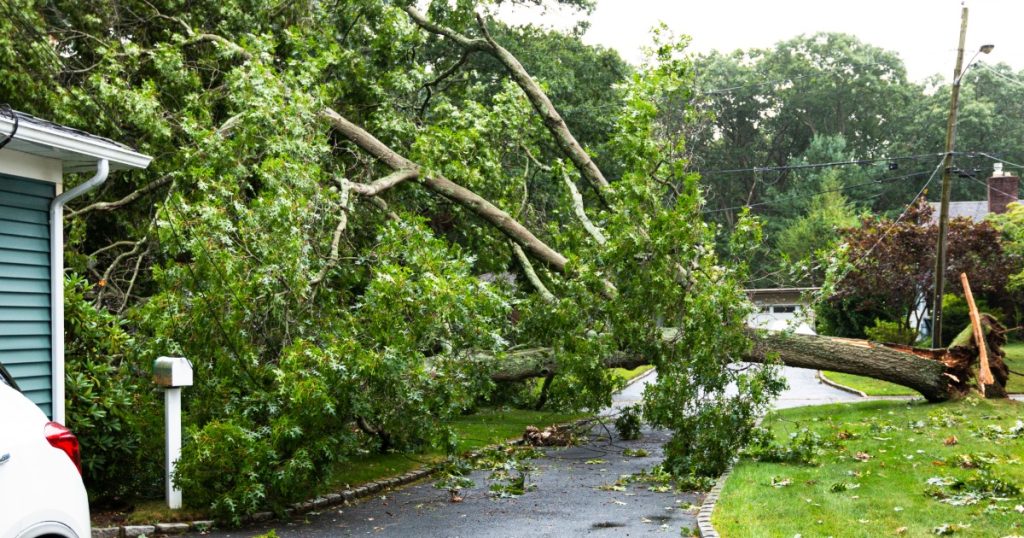
What to Look For:
DIY vs. Professional
Manageable yourself: Clearing small branches and debris from the yard that aren’t in contact with the structure.
Call a professional: Any tree or limb that’s in contact with your home needs a licensed tree service before any repair work begins — the structure needs to be fully cleared and assessed before you know what you’re dealing with. Do not attempt to cut a limb that’s resting on your roof yourself; the release of tension when cut can cause unexpected movement and further damage.
When to Call a Handyman vs. a Specialty Contractor
Not every storm repair needs a specialist, and not every job is a handyman job. Here’s a straightforward way to think about it. When in doubt, a handyman can help you assess what’s going on and tell you honestly whether it’s something we can handle or whether you need a specialist. That’s a faster and cheaper first step than calling four different contractors.
The spring storm is over. Your home probably came through it fine — but probably isn’t the same as definitely. A systematic walkthrough, done safely and methodically, gives you a clear picture of where things stand and what, if anything, needs attention.
The homeowners who catch problems early — a damaged vent cover, a loose deck railing, a small siding gap — are the ones who avoid the much bigger repairs that follow when those things go unaddressed through another season of weather.
If you’ve done your walkthrough and found something you’d rather not deal with yourself, or if you want a second set of experienced eyes on your home, Hammer & Nails Handyman serves Pittsburgh and the surrounding area and handles exactly this kind of post-storm repair and assessment work.
Give us a call at (844) 474-2639 or reach out through hnhandy.com. We’ll take a look, tell you what we see, and help you figure out the right next step — no pressure, no guesswork.