
Top 5 Must-Have Tools for Summer Home Projects
Summer is the best window of the year to tackle the projects that have been sitting on your list. Better weather, longer days, and no reason to put it off. Whether you’re patching up the deck, resealing windows before fall, or finally doing something about that peeling exterior trim, having the right home improvement tools makes the difference between a weekend project and a month-long headache.
You don’t need a contractor-grade arsenal. But a few well-chosen home repair tools will carry you through most of what warm-weather maintenance requires. Here are five worth having in your corner this season.
1. A Quality Cordless Drill/Driver
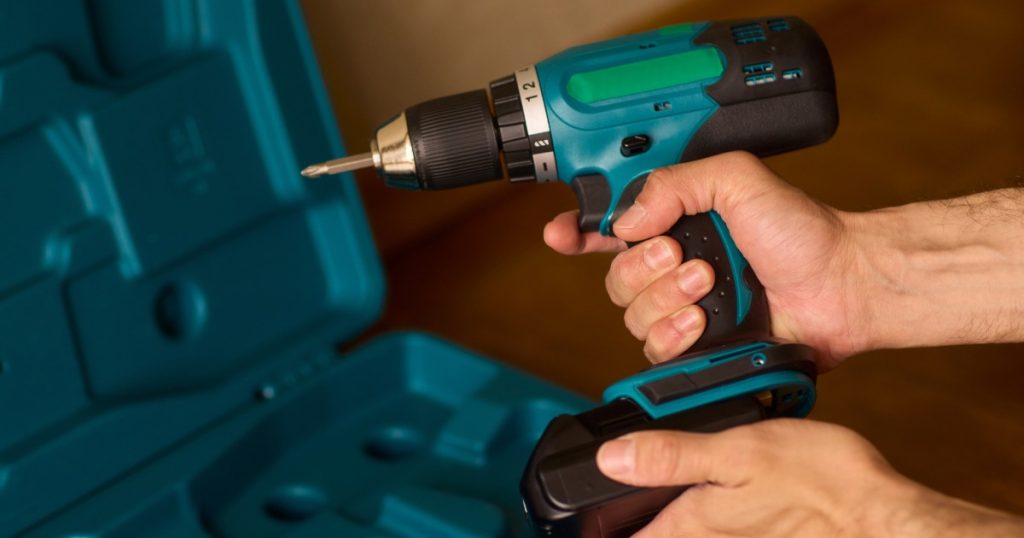
If you only buy one tool this summer, make it a cordless drill/driver. It handles more tasks than anything else on this list — driving screws, drilling pilot holes, assembling furniture, securing deck boards, mounting hardware, and plenty more.
What to Look For
An 18V or 20V brushless motor gives you enough power for most DIY home maintenance tasks without being too heavy. Look for a model with variable speed, a clutch setting (so you don’t overdrive screws), and a battery that’s compatible with other tools in the same brand family. Two batteries is better than one.
Summer project uses
Replacing deck boards or tightening loose railing hardware. Reassembling outdoor furniture. Hanging shutters, mounting exterior light fixtures, or putting up a new mailbox post.
2. A Circular Saw or Jigsaw
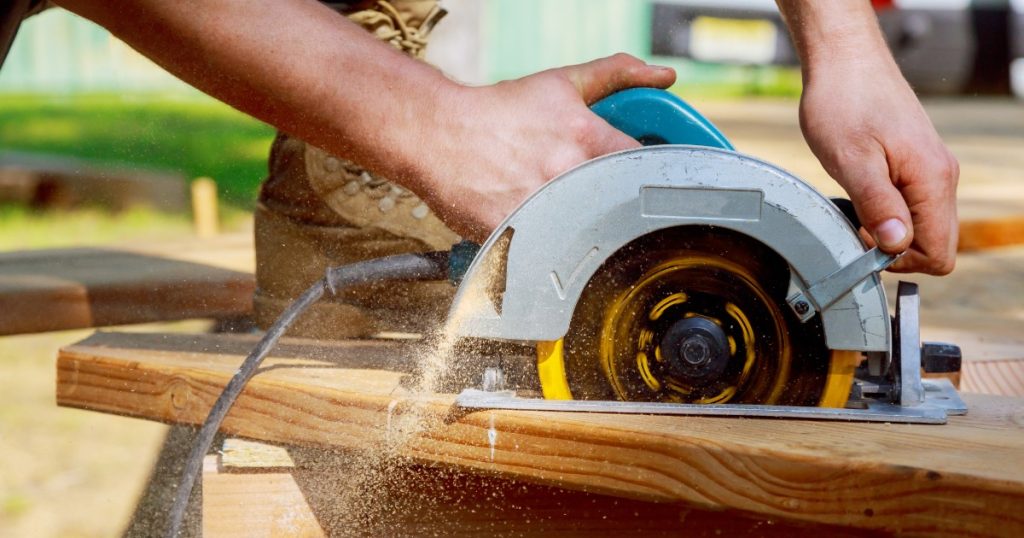
Summer projects often involve cutting lumber — and trying to work around that limitation gets old fast. A circular saw handles straight cuts in framing lumber, decking, and trim. A jigsaw is better when you need curves or more detailed cuts. For most homeowners, a circular saw is the more versatile starting point.
What to Look For
A 7-1/4″ blade size is standard and handles most materials. Cordless models work well for most homeowner-scale jobs. If you’re only doing occasional cutting, renting from a local hardware store is a completely reasonable option — no need to own everything.
Summer project uses
Cutting replacement fence boards or deck planks to length. Trimming the bottom of a door that’s scraping after winter humidity. Building a simple raised garden bed or outdoor storage box.
3. A Caulk Gun (and the Right Caulk)
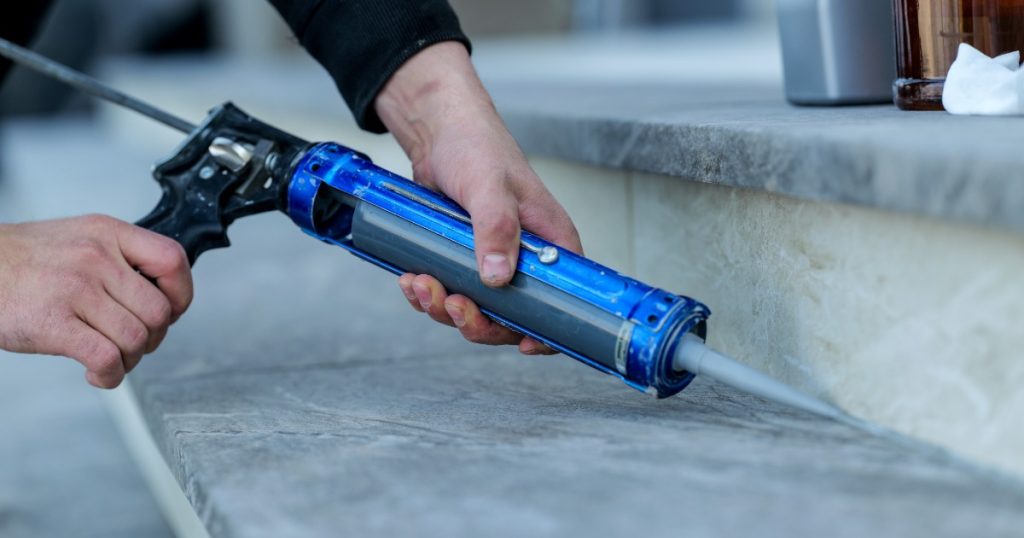
Caulking is one of the highest-return DIY home maintenance tasks a homeowner can do. A good seal around windows, doors, and exterior gaps keeps water out, pests out, and energy costs down. Summer is ideal for exterior caulking because most caulk products require temperatures above 50°F to cure properly — and with Pittsburgh winters, that window is shorter than you’d think.
What to Look For
A smooth-rod caulk gun (not ratchet) gives you better control over flow. For exterior work, use a paintable siliconized latex caulk — it holds up to weather and can be painted over. Have a damp cloth ready and tool the bead immediately after applying; it doesn’t forgive you if you wait.
Summer project uses
Sealing gaps around window and door frames before repainting. Recaulking where siding meets trim or around exterior faucets. Addressing any gaps you noticed during spring that let cold air in last winter.
4. A Pressure Washer
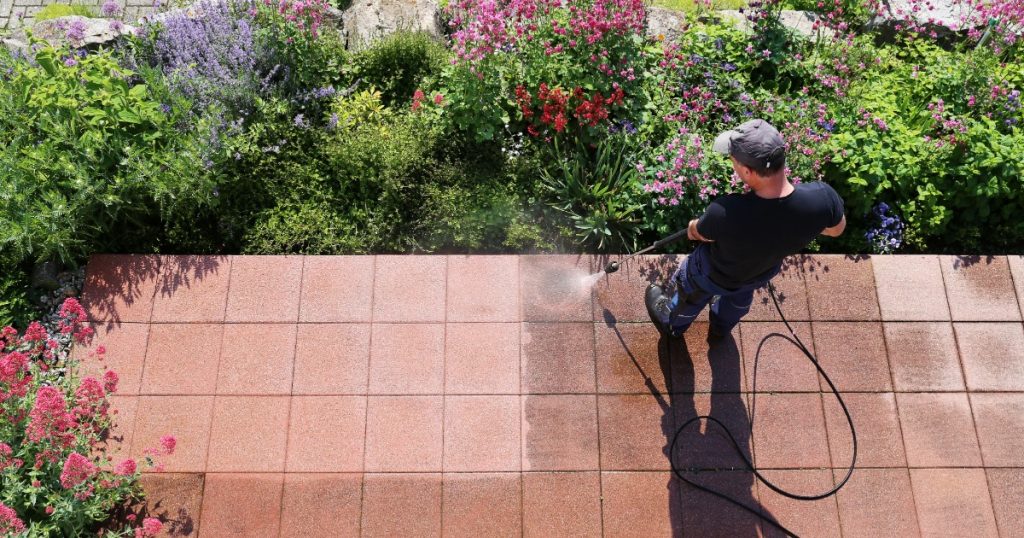
One of the most satisfying home repair tools to use — and one of the most practical for summer. A pressure washer cleans years of grime off surfaces in a fraction of the time it would take by hand, and it’s a necessary first step before any exterior painting or staining project.
What to Look For
For most homeowners, an electric pressure washer in the 1,500–2,000 PSI range handles driveways, siding, decks, and fences without risking damage to softer surfaces. Gas models offer more power but are louder and require more maintenance. If you’ll only use it once or twice a season, renting is a smart call.
Summer project uses
Washing down a deck or fence before staining or sealing. Cleaning siding before a paint job so the paint actually adheres. Clearing mildew and dirt off concrete driveways or patios.
5. A Stud Finder or Laser Level
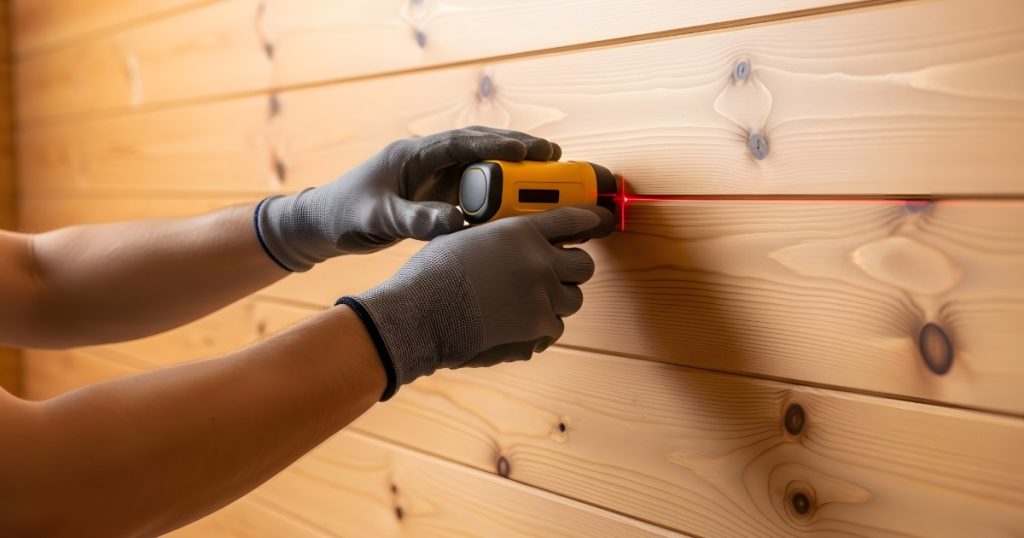
These two tools solve different problems, but both prevent the kind of frustrating mistakes that turn a quick project into a repair job. A stud finder keeps you from hanging something heavy in drywall with no backing behind it. A laser level keeps everything straight without repeatedly measuring and second-guessing.
What to Look For
For a stud finder, look for a model that also detects AC wiring — worth the small price difference. For a laser level, a self-leveling model saves significant time. Many combination tools now include both stud-finding and leveling functions.
Summer project uses
Mounting a new exterior light or ceiling fan in a summer room or garage. Installing shelving in a mudroom or utility space during a warm-weather refresh. Hanging outdoor artwork, house numbers, or a new mailbox at exactly the right height.
When the Right Tool Isn’t Enough
Having solid home improvement tools makes a real difference on manageable projects. But part of good DIY home maintenance is recognizing when a job has moved past your comfort zone — or when the time and risk involved just don’t add up.
Some repairs look simple on the surface and turn complicated fast. Others involve electrical, plumbing, or structural elements where a mistake costs more than the original repair would have.
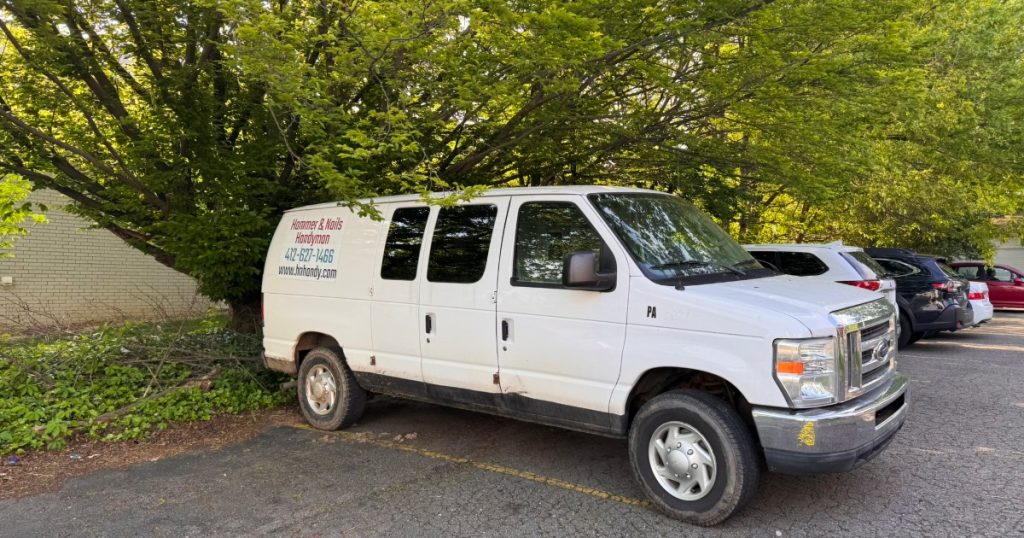
If you’ve got summer home projects that need a professional hand — whether it’s fence or deck work, exterior painting, caulking and sealing, or general repairs around the house — Hammer & Nails Handyman serves Pittsburgh homeowners and can help you get it done right. Reach out and let the team take a look.
Call Hammer & Nails Handyman
Serving Pittsburgh and Deep Creek Lake. Call (844) 474-2639 or visit hnhandy.com to connect with the team about your summer project list.