
Bathroom Caulking Problems: When to Re-Caulk and When There May Be a Bigger Issue
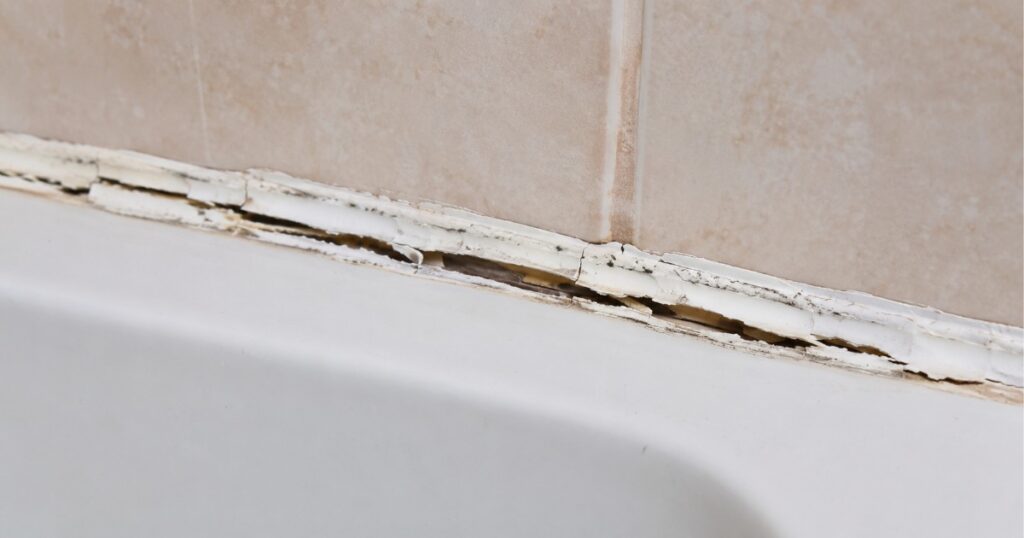
Bathroom caulk does a small job with a big impact. It seals the gaps around your tub, shower, and sink so water stays where it belongs instead of soaking into walls and subfloors. When caulk starts cracking, peeling, or turning dark, most homeowners aren’t sure if it’s a five-minute fix or a sign of something bigger going on behind the tile.
This guide walks through both. You’ll learn what normal caulk wear looks like, what signs point to a problem underneath the surface, and when it’s worth having someone take a closer look.
Why Bathroom Caulk Breaks Down Over Time
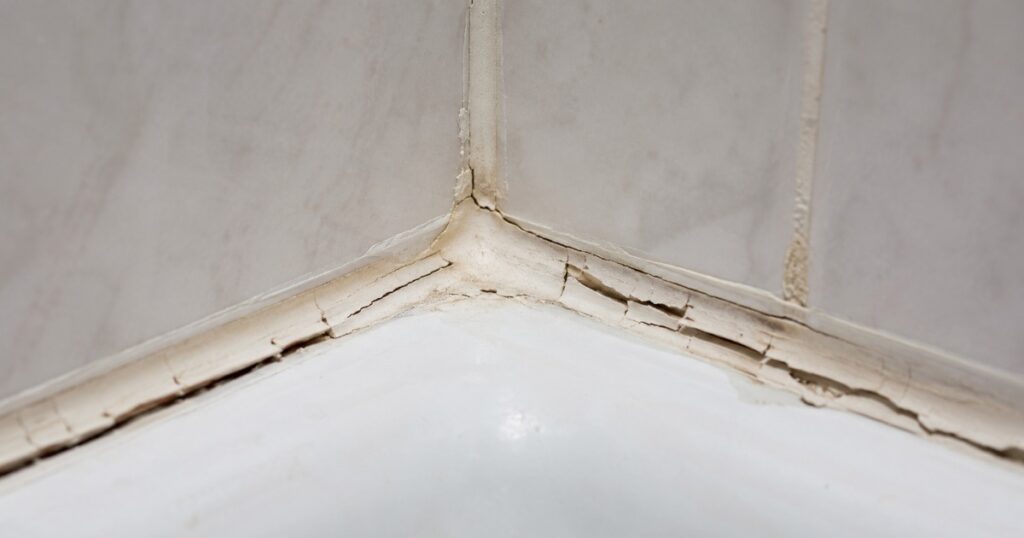
Caulk has a shorter lifespan than most other parts of your bathroom. It’s constantly exposed to water, steam, temperature swings, and the small amount of movement that happens every time a tub or shower gets used.
Over a few years, caulk naturally dries out and loses flexibility. Once it stiffens, it cracks or pulls away from the surface, and that opens a path for water to get behind it. Even caulk that was applied well can eventually fail; it’s a maintenance item, not a one-time fix.
Signs It’s a Simple Re-Caulk Job
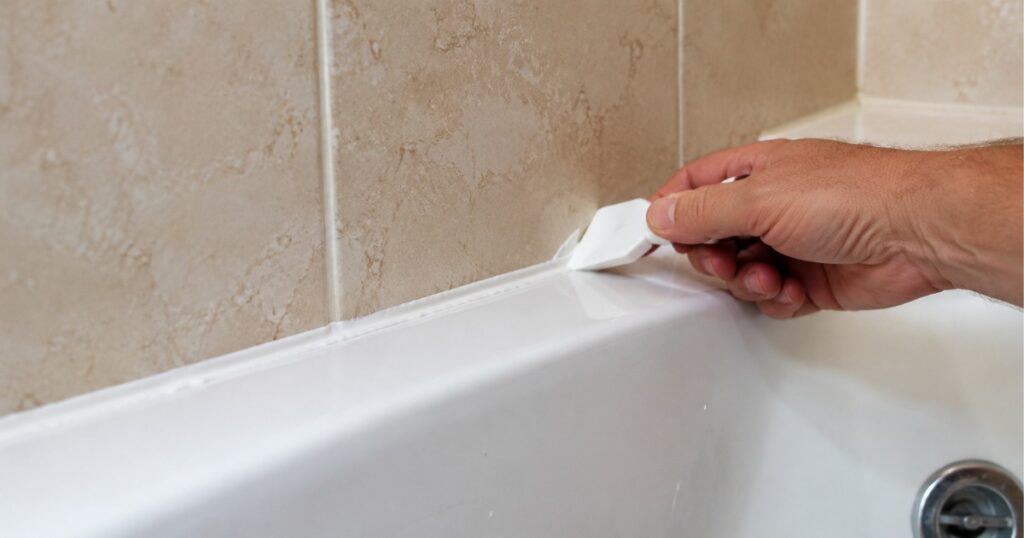
Most caulk problems are exactly what they look like: worn-out caulk that needs to be removed and replaced. A few signs point to a straightforward fix.
- Cracking, peeling, or shrinking along the seam, but the wall or tub behind it still feels solid
- Light surface discoloration or mild mildew that wipes away without staining
- Small gaps where caulk has pulled away from the tile or tub edge
- The caulk feels brittle or crumbly, but there’s no soft spot underneath
If that matches what you’re seeing, re-caulking is routine maintenance. It’s worth doing sooner rather than later, since a gap in the seal is what lets water start causing bigger problems in the first place.
Signs There May Be a Bigger Issue Behind the Caulk
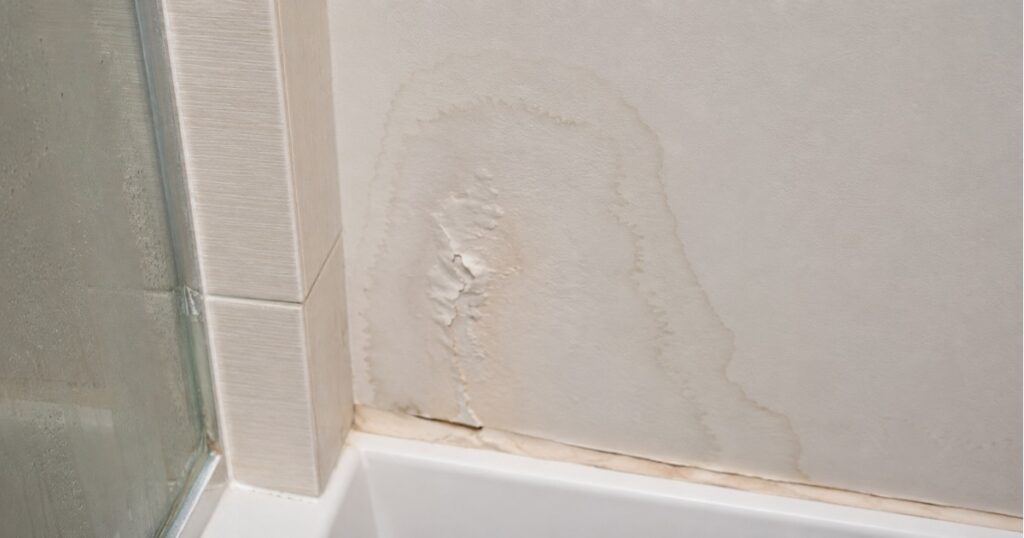
Sometimes what looks like a caulk problem is actually a sign that water has already gotten past the seal. These are the signs worth paying closer attention to.
- Cracking, peeling, or shrinking along the seam, but the wall or tub behind it still feels solid
- Light surface discoloration or mild mildew that wipes away without staining
- Small gaps where caulk has pulled away from the tile or tub edge
- The caulk feels brittle or crumbly, but there’s no soft spot underneath
None of these mean something drastic is guaranteed, but they’re worth having a professional look at before simply re-caulking over them. Sealing a gap without addressing water that’s already trapped behind the wall just hides the problem for a while.
What Happens When You Call a Professional
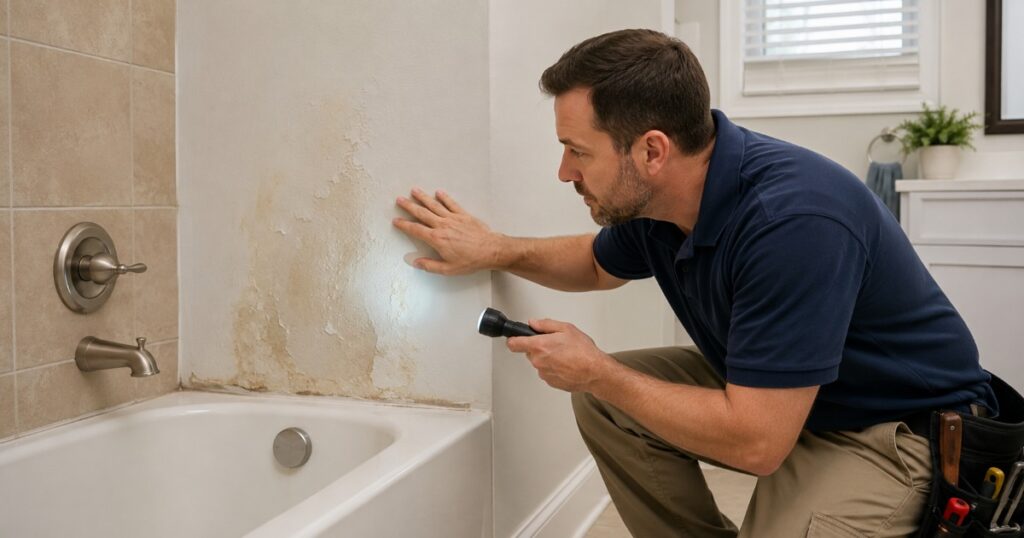
When Hammer & Nails Handyman looks at a bathroom caulking issue, the first step is figuring out which situation you’re actually in. That means checking whether the problem is cosmetic wear or a sign of moisture that’s already gotten into the wall, trim, or subfloor.
If it’s a standard re-caulk, that’s quick, practical work. If there’s evidence of water damage behind the seal, the scope of the job may be different, and that gets confirmed before any work begins. Project pricing depends on scope, materials, and labor, and the team reviews the details first before confirming next steps.
When to Call Hammer & Nails Handyman in Pittsburgh
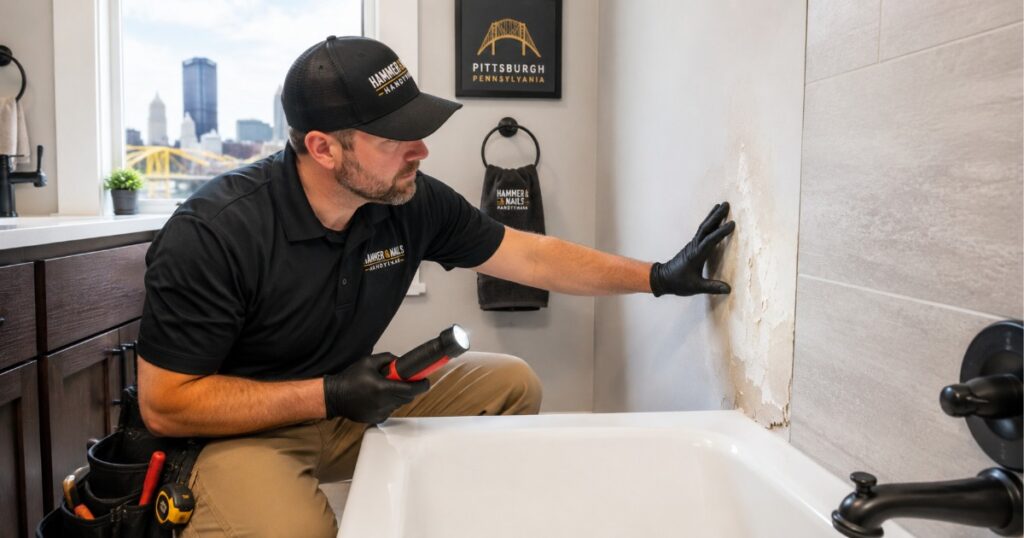
Bathroom caulk problems are common in Pittsburgh homes, especially older houses with original tile and years of humidity exposure. Catching a failing seal early is one of the simplest ways to avoid a bigger repair down the road.
If your bathroom caulk looks worn but the wall behind it feels solid, a re-caulk is a reasonable next step. If you’re seeing soft spots, spreading discoloration, or a smell that won’t go away, it’s worth having it checked before it turns into a larger repair.
Contact Hammer & Nails Handyman to talk through what you’re seeing, or call (844) 474-2639. For more homeowner guides like this one, visit the Hammer & Nails blog.